Joint Conference of the WCC Commissions and Reference Groups on Life, Justice and Peace

The conference will bring together the WCC commissions on international affairs, climate justice and sustainable development, and health and healing, alongside reference groups on overcoming racism and discrimination, gender justice, and ecumenical diakonia. Together, these bodies contribute to the WCC’s work in ecumenical social ethics and action. The gathering will be hosted by the Church of Christ in Thailand, in cooperation with the Christian Conference of Asia.
The meeting comes in the context of converging crises: armed conflicts, disregard for international law, widening inequality, the climate emergency, and rapid technological change. Against this backdrop, participants will draw on a century of ecumenical social thought and action, beginning with the 1925 Stockholm Conference on Life and Work, to revisit foundational principles of ecumenical ethics and consider how they can be articulated and lived out today.
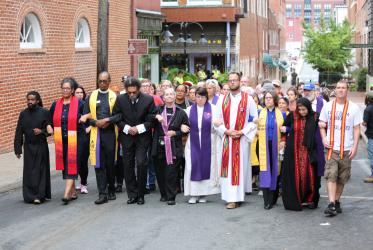
The weeklong gathering will begin with pilgrimage encounters, giving participants an opportunity to meet local communities and organizations in and around Chiang Mai working on issues including clean air, migration, HIV and health justice, and interfaith dialogue.
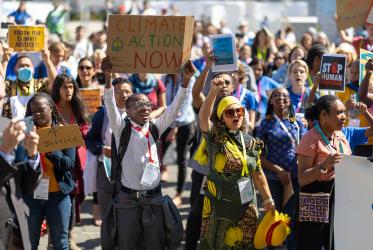
Prayer, biblical reflection, and theological engagement will provide the foundation for the conference. Plenaries and seminars will explore the ecological crisis, human dignity in the age of artificial intelligence, and the role of churches in shaping a values-based international order. Participants will also engage de-colonial perspectives and consider how questions of ecumenical diakonia, health and healing, racial justice, and gender justice are interconnected. In the context of the WCC’s Ecumenical Decade of Climate Justice Action (2025–2034), dedicated time will be given to sharing concrete possibilities for climate action by churches.
Throughout the gathering, participants will reflect on the question: How are we called to witness together today? The conference is expected to conclude with the adoption of a joint message articulating a vision for ecumenical social thought and witness in the present context.